Inside the Trimble 0–60 Challenge: Where AECO Innovation Meets Real-World Application

There is no shortage of new ideas in AECO or FS right now. But the real challenge is not coming up with ideas it is actually using them. How do you take an idea and turn it into something that people actually use on real projects?
That is exactly the gap the Trimble 0–60 Challenge is trying to close. This program is not a competition for startups. It is designed to help new companies connect their solutions to workflows, real platforms and real users across the built environment.
At its core the program helps startups build and integrate their solutions directly into Trimbles ecosystem. This includes software like SketchUp, Tekla and Trimble Connect well as field technologies such as GNSS and laser scanning. The goal is simple: make new solutions usable within existing industry workflows.
We sat down with German Aparicio, who leads the program at Trimble to better understand how it came to life what makes it different and what founders should know if they are thinking about applying.
The Problem It’s Solving
1) What is the Trimble 0–60 Challenge really trying to tackle?
According to German Aparicio the industry has reached a turning point.
"We do not have a shortage of solutions anymore " he says. "What we are missing is people actually using them."
He explains that this shift is happening across the industry. Companies are actively looking for solutions they can use today.. Ai and automation are quickly moving from experimentation into practice. The biggest challenge is no longer coming up with ideas it is getting those solutions used in real workflows.
The Trimble 0–60 Challenge is trying to solve this problem. Startups often struggle not because their solutions are not valuable. Because they lack access to real platforms real users and real integration opportunities.
For Aparicio success is not just about launching a product. It is about whether that product can be used in workflows and deliver value in practice.
From Idea to Platform: How 0–60 Came to Life
2) How did the Trimble 0–60 Challenge come to life, and how has your role shaped it?
German Aparicio explains that the idea behind the Trimble 0–60 Challenge was simple but powerful.
"There are a lot of startups in AEC " he says, "but very few have access to the right ecosystem to actually grow."
"The goal was not to create another startup competition " he adds. "It was to build a bridge connecting early-stage companies into real workflows, real products and real users."
The program has evolved into an initiative supporting startups building solutions across Architecture, Engineering, Construction and Owner-Operator workflows. It also includes Field Systems, such as civil, earthworks and geospatial technologies.
At its core the focus comes down to three areas: Connected Data, Connected Design and Connected Field and Jobsite. In words solutions that bridge the gap between digital and physical workflows.
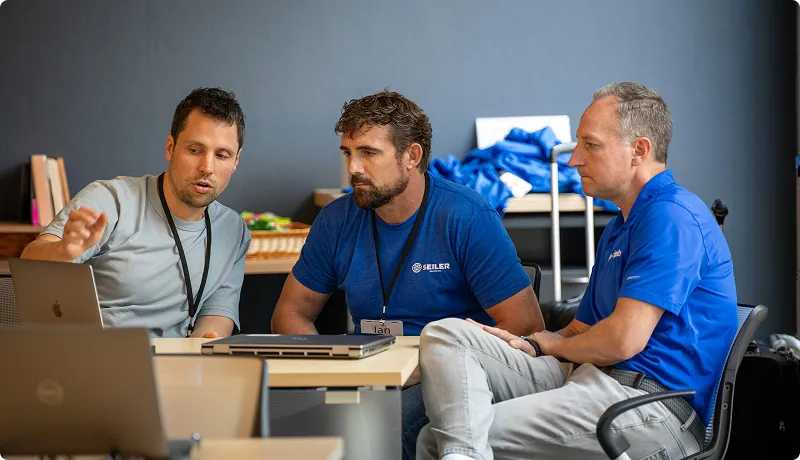
real products and real users.
Why Integration Matters
3) A big differentiator is integration with Trimble tools, why does that matter?
This is where the Trimble 0–60 Challenge really stands apart.
Startups are not building in isolation. They are building on top of tools that teams already use every day. This includes Trimble Connect, SketchUp, Tekla and ProjectSight well as hardware like GNSS receivers, total stations and laser scanners.
"That level of integration changes everything " German Aparicio says.
Of asking users to adopt something entirely new startups can fit into tools that teams already rely on.. In AEC that is critical.
Adoption does not happen because something is new. It happens because it fits into existing workflows.
What Makes This Program Different
4) What makes the Trimble 0–60 Challenge unique?
German Aparicio is very clear on this point.
"A lot of programs focus on ideas. We focus on execution."
That focus shows up in how the program's structured. It is about building solutions that plug into tools that teams already use, solving workflow challenges rather than hypothetical ones.
The value is not mentorship it is access. Access to platforms to customers and to the Trimble ecosystem.
What Happens During the 12-Week Program
5) The program is intense, how do you make sure founders walk away with real progress?
The 12-week journey is designed to push startups beyond theory and into execution.
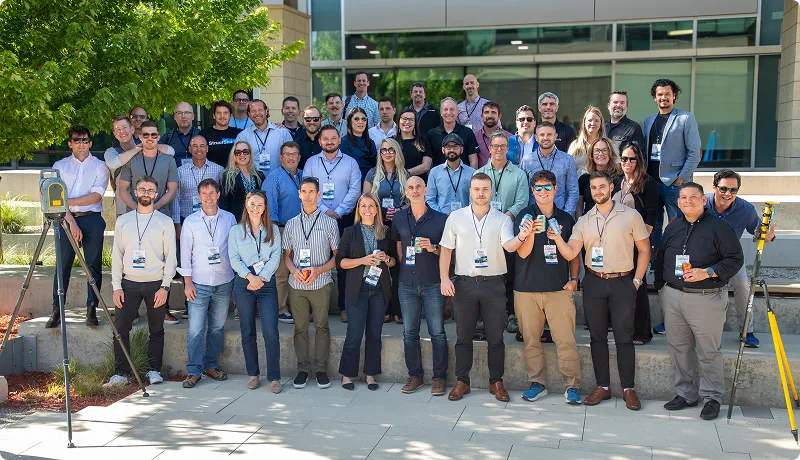
Each team works closely with Trimble experts, product teams and industry stakeholders. There are check-ins, structured feedback loops and milestone demos throughout the program.
"It is not about polishing a pitch " German Aparicio says. "It is about building something that connects and scales."
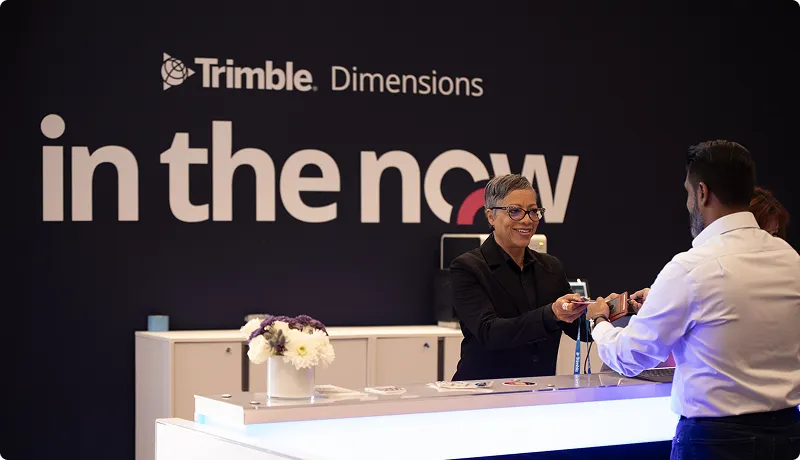
By the time startups reach Demo Day at Trimble Dimensions they have gone through iterations, not just internal ones but with actual users and real constraints.
What Makes a Strong Application
6) What catches your attention when reviewing applications?
German Aparicio looks for teams that understand one thing: where their solution actually fits.
"We are not just looking for ideas we are looking for solutions that can connect to real problems in the field."
The strongest applications tend to focus on an specific pain point show strong potential for integration and demonstrate how the solution could scale across projects or firms.
At the same time, the cohort is intentionally diverse, spanning everything from data platforms and design tools to field technologies, while still being connected through a shared focus on real-world impact.
Looking Ahead: AI, Digital Twins, and What’s Next
7) How do you see the program evolving with AI and digital transformation?
As AI, digital twins and automation become more central to AEC, the role of programs like the 0–60 Challenge becomes even more important.
"We are going to see convergence between the digital and physical worlds " German Aparicio says. "The challenge will be making those connections usable and scalable."
For founders the advice is simple.
"Think beyond your product. Think about how it fits into the ecosystem."
Who Should Apply
This program is especially relevant for teams building AI tools for AECO or FS workflows. It is also relevant for teams working on automation, robotics or field technologies or developing solutions that integrate with existing platforms.
It’s particularly valuable for those looking to move from prototype to real-world deployment, and for teams thinking seriously about how their solution fits into actual industry workflows, not just standalone innovation.
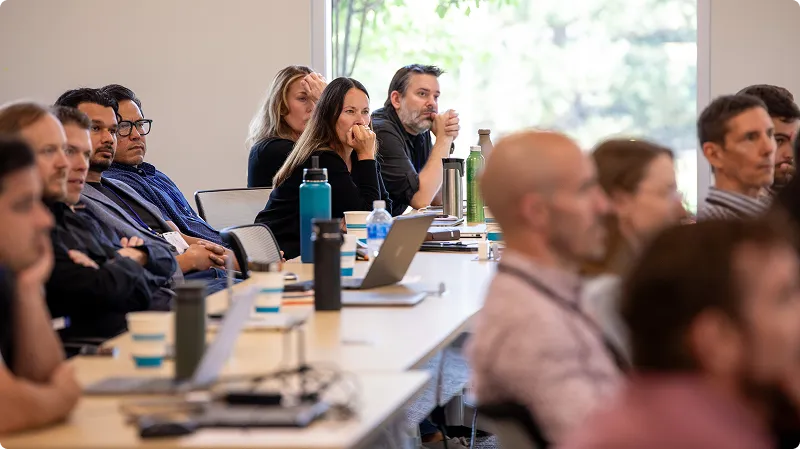
not just standalone innovation.
What You Gain
Startups that go through the program gain more than visibility.
They have the opportunity to present their solution to an audience at Trimble Dimensions. They also gain access to technical and business mentorship throughout the program.
There is also support in turning ideas into scalable real-world solutions along with potential pathways to investment and industry partnerships.
Key Dates for 2026
• Applications Close: May 22, 2026
• Finalists Selected: June 12, 2026
• Kick-Off Event: June 17–18, 2026
• Demo Day (Trimble Dimensions): November 9–11, 2026
Final Thoughts
At aec+tech, we see every day how difficult it is for new solutions to move from proof of concept to real adoption.
The gap between innovation and implementation remains one of the biggest challenges in AECO and FS.
Programs like the Trimble 0–60 Challenge are helping close that gap, not just by focusing on ideas, but by creating real pathways into the industry.
For teams building in this space, this is one of the programs worth paying attention to.

This interview was conducted with German Aparicio, who leads the Trimble 0–60 Challenge at Trimble Inc., a global program supporting early-stage startups across AECO and Field Systems, with a focus on helping them integrate into real-world workflows and scale within the built environment.
Recent Articles
Learn about the latest architecture software, engineering automation tools, & construction technologies